
By Joseph Bryson April 28, 2026
Running a pest control business is demanding enough without having to chase down unpaid invoices every month. You’re managing technicians, scheduling routes, handling chemical inventory, and keeping customers happy—the last thing you need is a billing system that fights you at every turn. Yet for many pest control operators, monthly service plans sound great on paper but turn into a collection nightmare in practice.
The good news? With the right setup, pest control recurring billing can be completely hands-off. Payments come in automatically, customers stay enrolled, and your cash flow becomes predictable. Here’s how to make it work without the headaches.
Why Monthly Service Plans Are Worth the Effort
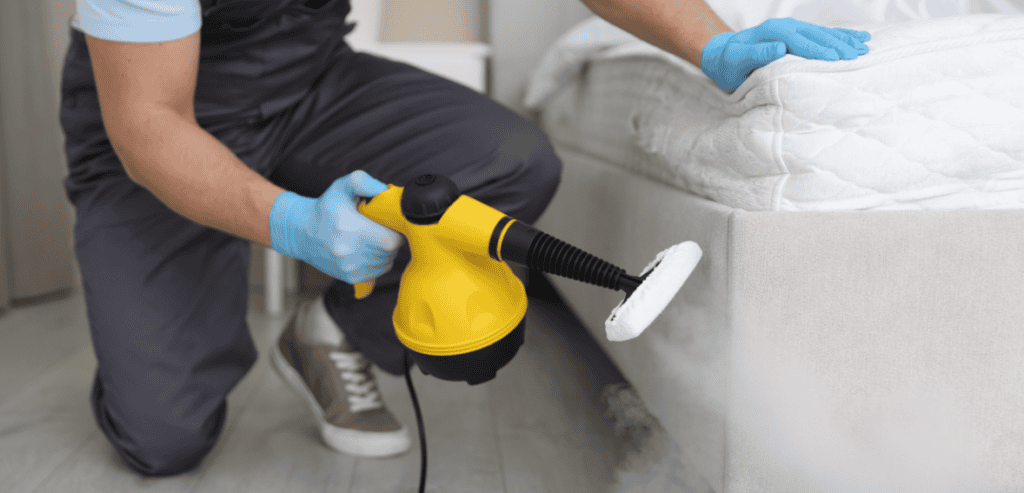
Consider the traditional pest control business model. A customer calls, technicians provide one-time service, the customer pays, and the relationship ends. A business that builds monthly or quarterly service plans creates an extended relationship with the customer. Lifetime customer value increases significantly, and revenue becomes more predictable, simplifying overall operations—including staffing, equipment management, and marketing.
There is also a competitive advantage. A recurring service plan locks in customer commitment and prevents them from considering your competitors. The business is building loyalty. The major limitation of loyalty plans has been payment processing, but this has evolved significantly.
The Root Cause of Collection Problems
Customer refusals are rarely the cause of collection issues with pest control companies’ monthly billing. The greatest proportion of cases stems from challenges presented by monthly billing itself. Credit cards expire, bank account information changes, and customers sometimes forget they have a subscription. If you’re using manual billing, someone on your team has to track down these payment issues, which can be extremely painful to manage.
Another significant problem is the lack of consistency in your contracts. This is a double-edged sword. The most obvious pain is that customers are left unsure of the commitments they are about to make. Unclear contracts for a pest control company inevitably lead to chargeback claims and disputes. However, clearly defined terms are most important to customer service. In the most economically protective manner, a clear policy will shield your company from collection issues.
Building a Billing System That Runs Itself

Automation is key to seamless recurring billing for headache-free pest control. With the right technology, billing is fully handled in the background. No one on your team has to do anything.
You can begin collecting payment information during the first contact when booking the service. Unlike the outdated method of invoicing afterward, pest control service providers can collect customer credit or bank account information as part of the service contract that the customer agrees to sign for recurring payment. After the customer signs, you’re ready to charge the card.
Automated retry logic is a feature that all pest control service providers should have. If a card is declined, instead of losing the charge altogether, the logic prompts a retry in 24 hours, then 48 hours. This prevents losing revenue from a single failed charge and is standard among the best merchant service providers for pest control.
Choosing the Right Pest Control Merchant Services Provider
Payment Processing
Not every processor meets the needs of service-based businesses with periodic billing. A typical retail processor can handle one-time billing transactions but likely lacks features important to pest control companies, such as subscription management, automated retries, dunning email sequences, and detailed reporting on failed payments.
What to Consider
When choosing pest control merchant services, select one that offers a complete recurring billing engine rather than just a gateway. You want the ability to set billing periods (monthly, quarterly, yearly, etc.), manage plan tiers, and handle mid-cycle upgrades or cancellations with no manual workarounds.
Jobber
Jobber is a commonly adopted field service management system used by pest control companies. It provides integrated invoice and payment collection capabilities, with Stripe integration for credit card payments. For companies with monthly service contracts, Jobber enables automatic invoices that correspond with job schedules, ensuring that billing and service delivery are synchronized. Jobber is especially useful for small to mid-sized companies looking for an all-in-one service workflow for employees and customers without integrating multiple platforms.
PestPac by WorkWave
PestPac is an all-in-one software platform specialized in pest management. It offers powerful service plan payment management with integrated payment processing, route optimization, and technician tracking. The platform’s understanding of pest control billing nuances makes PestPac perfect for the industry. It has seamless support for annual contracts with monthly billing, multi-location accounts, and warranty-based service plans. PestPac by WorkWave is an excellent option for mid-sized to large businesses seeking advanced enterprise-level billing controls.
Stripe Billing
Stripe Billing is more complex but less restrictive than most recurring payment engines available. Automatic retrying, mid-cycle charge proration, subscriptions, and detailed revenue reporting are just some of the features it offers. Completely customizable and developer-friendly, Stripe is the best option if you need a pest control subscription engine and are willing to integrate it with a field service platform, custom CRM, or both. Its strong global reach and reliability also help.
Structuring Your Service Agreements to Prevent Disputes
Collection issues are often compounded by vague service plans and myths that technology alone will solve these problems. Having a signed service plan is a clear advantage and key business protection, demonstrating that expectations have been communicated and likely eliminating the risk of dispute.
Each customer service plan for monthly pest control billing must contain the customer’s payment details (monthly or quarterly charge), the agreed payment schedule, the chargeable services, customer payment instructions, cancellation policies, and plans for payment default. Customers, once informed, are considerably more reluctant to lodge a payment dispute months after service has been provided.
Using advanced e-signature technology, you can deliver your service plan digitally and create a time-stamped record, which will almost guarantee your protection against payment default. DocuSign and HelloSign are powerful solutions for field service companies and will improve your customer experience.
Handling Failed Payments Without Damaging the Customer Relationship
The ideal option is a general dunning process. Dunning is the system you have in place that communicates with your clients when their payments are unsuccessful. An ideal dunning process sends a polite, branded email that informs a client their payment failed and provides a simple link to update their payment method. If that email is ignored, payment providers should send a reminder email with a more urgent tone after a few days. After that, a service interruption notice should be sent as a final reminder.
The key is to keep the messages respectful, polite, and incentive-oriented. This approach will encourage payment updates and resume service. Many clients will correct payment failures if you communicate with them politely and promptly.
Using Reporting to Stay Ahead of Revenue Problems
An underappreciated feature of modern pest control merchant services is their useful reporting. A balanced billing dashboard allows pest control companies to quickly summarize their active service plan subscriptions and recurring revenue. From that dashboard, you can also see how many billing attempts fail, how many of those failures can be recovered, and how many go unrecovered.
These numbers are relevant to your business and should not be dismissed as just another bookkeeping chore. Increased failed payment rates should be closely reviewed, as this could indicate that a portion of your customers’ payment cards have expired. You may be able to avoid revenue leaks by notifying customers that they need to update their cards. A review of your dunning process can reveal trends in revenue recovery. If you want your recurring revenue to grow, you need to know if trends are improving or declining.
Conclusion
Monthly service plan payments are one of the best business models available to pest control companies. They create predictable revenue, strengthen customer loyalty, and reduce the feast-or-famine cycle that plagues transactional service businesses. The key to making them work without collection headaches is combining the right technology with clear customer agreements and a thoughtful approach to failed payment recovery.
Automate wherever possible. Choose pest control merchant services partners that are built for recurring billing. Write service agreements that leave no room for ambiguity. And treat every payment failure as a customer retention opportunity rather than a confrontation. When those pieces are in place, monthly pest control billing stops being a source of stress and starts being one of your most powerful business assets.
Frequently Asked Questions
What’s the best way to collect payment information before the first service?
Require payment authorization before the first service. Irrespective of the service, it can be included in the digital service agreement. This way, payment information collection occurs electronically as the customer signs the agreement. There’s no need to ask the customer for credit card information separately, and you’re ready to go before the first technician arrives.
How do I handle customers who cancel mid-contract?
Your service agreement should have a clear section for your cancellation policy. Many of these agreements stay in effect for one year and include cancellation fees. As long as your policy is contained in the service agreement, you can collect your fee, and it is in your best interest to have it in writing.
Can I offer different service plan tiers with different billing amounts?
Absolutely, and this can be in your best interest as well. This approach provides customer choice and increases revenue. PestPac and Jobber are two billing platforms that would cover most of your needs.
What’s the difference between a payment gateway and a recurring billing engine?
The payment gateway performs secure transmission for a single payment from your system to the bank. The recurring billing engine operates the entire subscription lifecycle—safekeeping payment credentials, billing charges on schedule, handling payment failure retries, and notifying the customer. For pest control recurring billing, you need both, and most platforms bundle them together.